Information Library
Start Reading


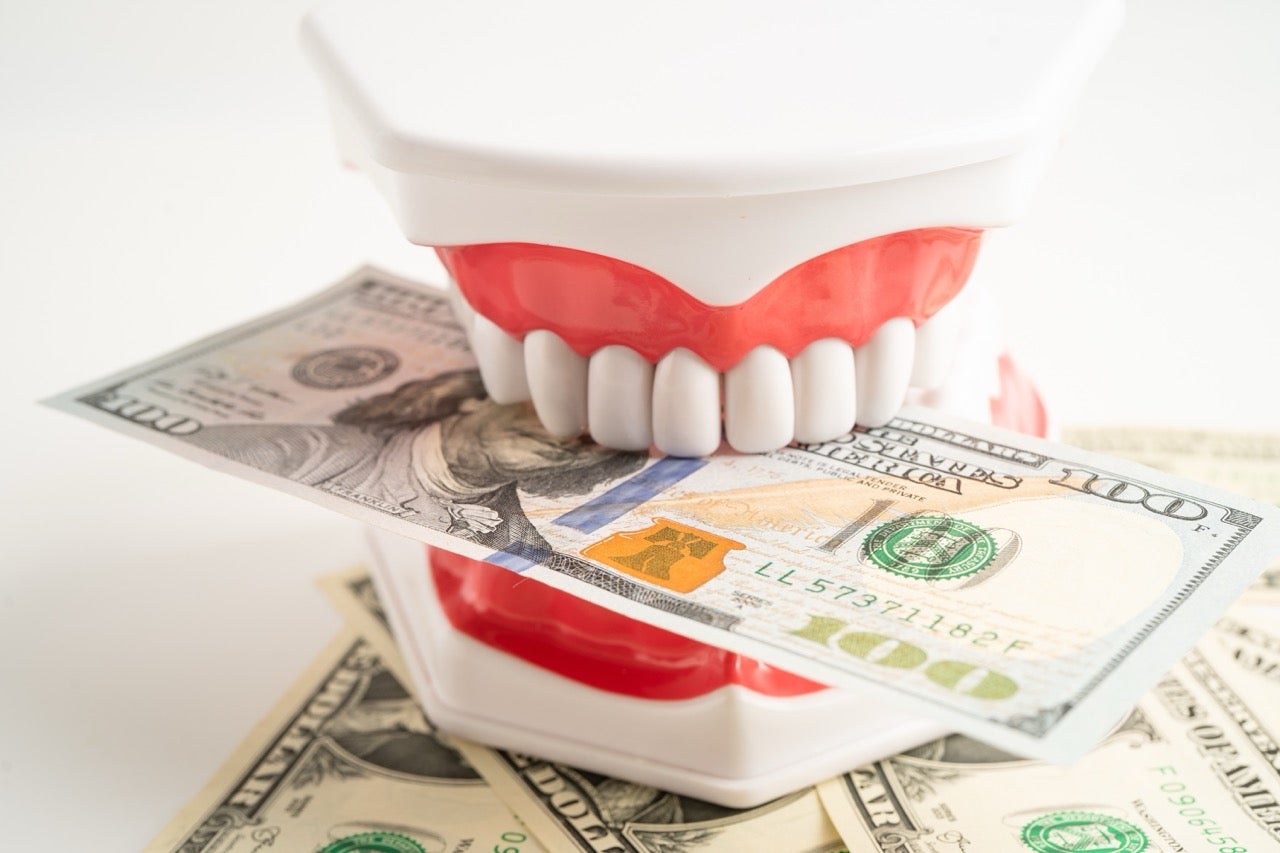
Access to affordable healthcare is a major concern across the U.S. Rising costs and insurance gaps are forcing many people to delay or skip care, including dental care. In fact, as many as 1 in 4 Americans are putting off routine oral exams and necessary treatment to help control costs. But oral health has a surprising connection to overall health and can impact more than just your smile, introducing conditions such as diabetes, heart disease, and cancer. Fortunately, as a Philadelphia-area resident, lower-cost dental care is available through the University of Pennsylvania School of Dental Medicine teaching program at Penn Dental Medicine.
Recent national surveys show that dental care is often the medical service most likely forgone due to cost, ahead of medical visits or prescription drugs.
 Here’s a snapshot of typical fees without insurance:
Dental insurance can help reduce these costs, but many plans have coverage limits, annual caps, or high deductibles, which still leave patients with substantial out-of-pocket expenses.
With insurance, preventive services like cleanings may be covered at 100%, meaning little or no out-of-pocket cost for routine visits. Restorative procedures like fillings, crowns, or emergency work may be partially covered. However, dental insurance comes with annual maximums, deductibles, and limited coverage for major procedures, and even insured patients can face unexpected charges if their dentist is out of network, or if certain services aren’t fully included in the plan.
Additionally, dental insurance premiums are also rising at one of the fastest rates in the healthcare market. Not only does this lead to frustration and unexpected medical bills on top of paying for insurance, but it also contributes directly to reduced access, especially for individuals and families already navigating broader healthcare affordability challenges.
Delaying dental care due to cost can have cascading effects:
These risks make access to affordable dental care not just a matter of convenience but a public health concern.
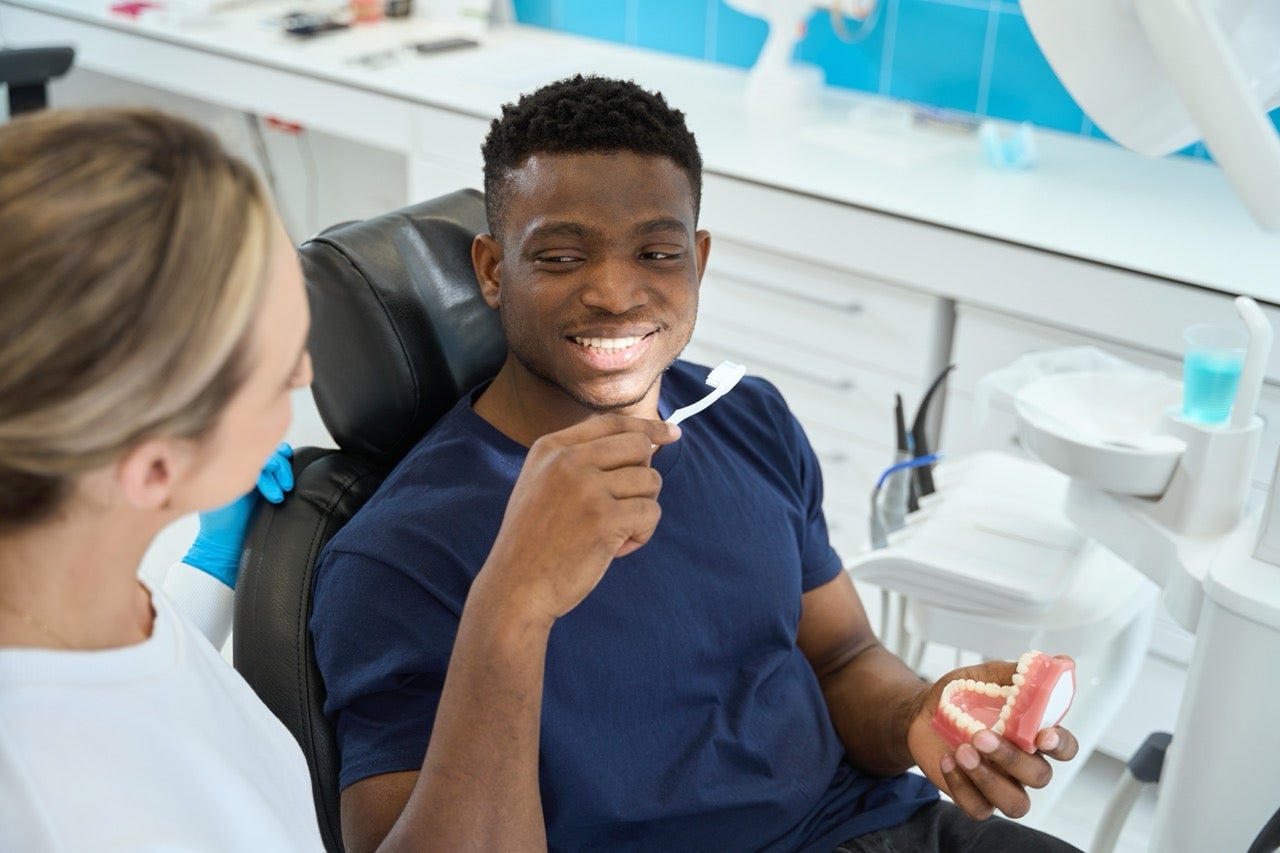 For patients concerned about the cost of dental care, exploring lower-cost options can make a meaningful difference. One of the most effective, and often not as well-known, solutions is receiving care through a dental school.
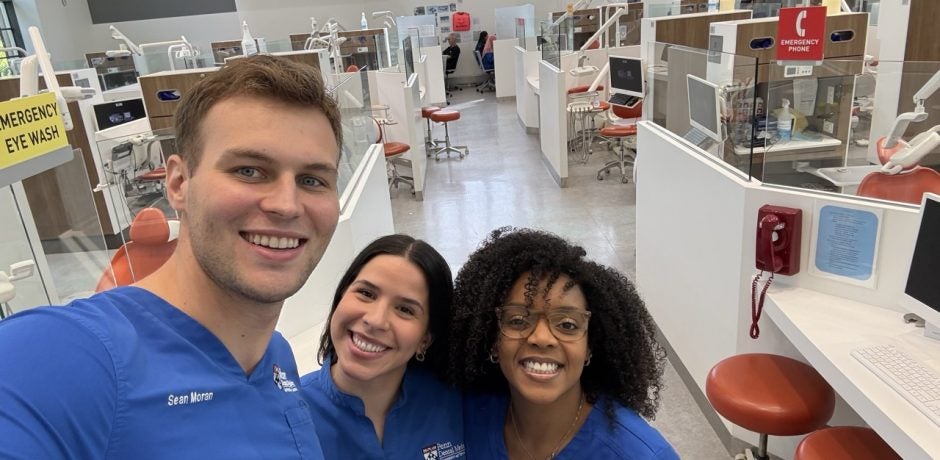
At Penn Dental Medicine, patients receive care through a teaching model similar to what you may have experienced in a hospital setting, where attending physicians oversee residents. Dental students provide treatment under the close supervision of experienced, licensed faculty dentists, ensuring every step meets rigorous clinical standards. This collaborative approach allows patients to benefit from thoughtful, high-quality care at significantly reduced costs, while maintaining safety, oversight, and a strong commitment to excellence.
Penn Dental Medicine’s teaching clinics are designed to make dental care more accessible while maintaining a strong focus on patient-centered treatment. Patients benefit from:
Penn Dental Medicine provides a practical way to manage dental care costs while staying proactive about oral and overall health. We also accept most insurance plans and Medicaid.
 Rising healthcare costs shouldn’t prevent you from getting the care you need to stay healthy and prevent more complex medical issues later. By choosing a lower-cost dental care option, such as visiting a dental school, you can reduce the cost of dental care and get access to the treatments you need.
To schedule an appointment at Penn Dental Medicine, just complete this form or call 215-898-8965.