Information Library

Start Reading


Fluoride has long been considered one of the most important tools in preventing tooth decay. In recent years, however, it’s also become the center of growing public concern.
Questions like “Is fluoride bad for you?” and “Is fluoride bad for your teeth?” are becoming more common, especially as more Americans experience gaps in dental care and as oral health issues rise. Understanding the role of fluoride in water and the facts behind the headlines is essential to making informed decisions about your dental health.
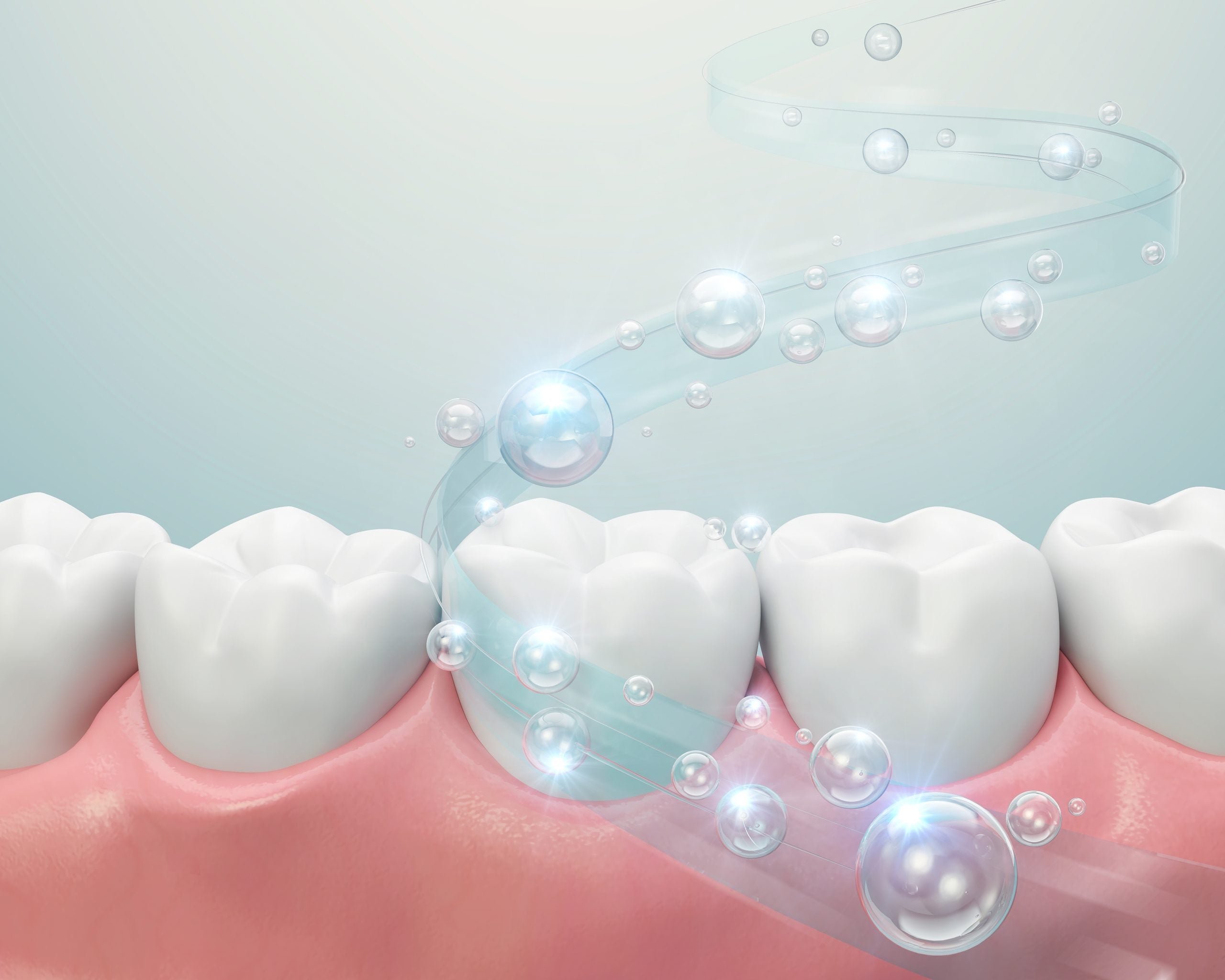 Fluoride is a naturally occurring mineral found in soil, water, and certain foods. It’s added to public water systems because it helps rebuild and strengthen tooth enamel, the outer layer that protects your teeth. By making enamel more resistant to acid and bacteria, fluoride helps prevent cavities before they start.
Because of these protective benefits, community water fluoridation has become a widely recognized public health measure. It helps reduce cavities across entire populations, reaching people of all ages and income levels, including those who may not have regular access to dental care.
Fluoridated water became common in the U.S. in the mid-20th century after studies showed significant reductions in tooth decay in communities with naturally occurring fluoride. Since then:
In recent years, concerns about fluoride in water have gained traction online and in the media. Some individuals question potential health effects from long-term exposure or higher-than-recommended levels.
Common concerns include:
At recommended levels, fluoride in water is considered safe and effective. However, like many substances, excessive intake over time can lead to side effects such as dental fluorosis (a cosmetic condition that affects tooth appearance).
The key takeaway:
Fluoride plays a critical role in preventing tooth decay, especially in children and individuals at higher risk for cavities. Benefits include:
Excess fluoride exposure, particularly during early childhood, can lead to fluorosis, which may appear as faint white streaks on teeth. In most cases, this is mild and does not affect function.
While fluoride is often at the center of debate, a larger issue is emerging: millions of Americans still lack consistent access to dental care. Limited insurance coverage, high out-of-pocket costs, and provider shortages in certain communities make it difficult for many individuals to receive routine care.
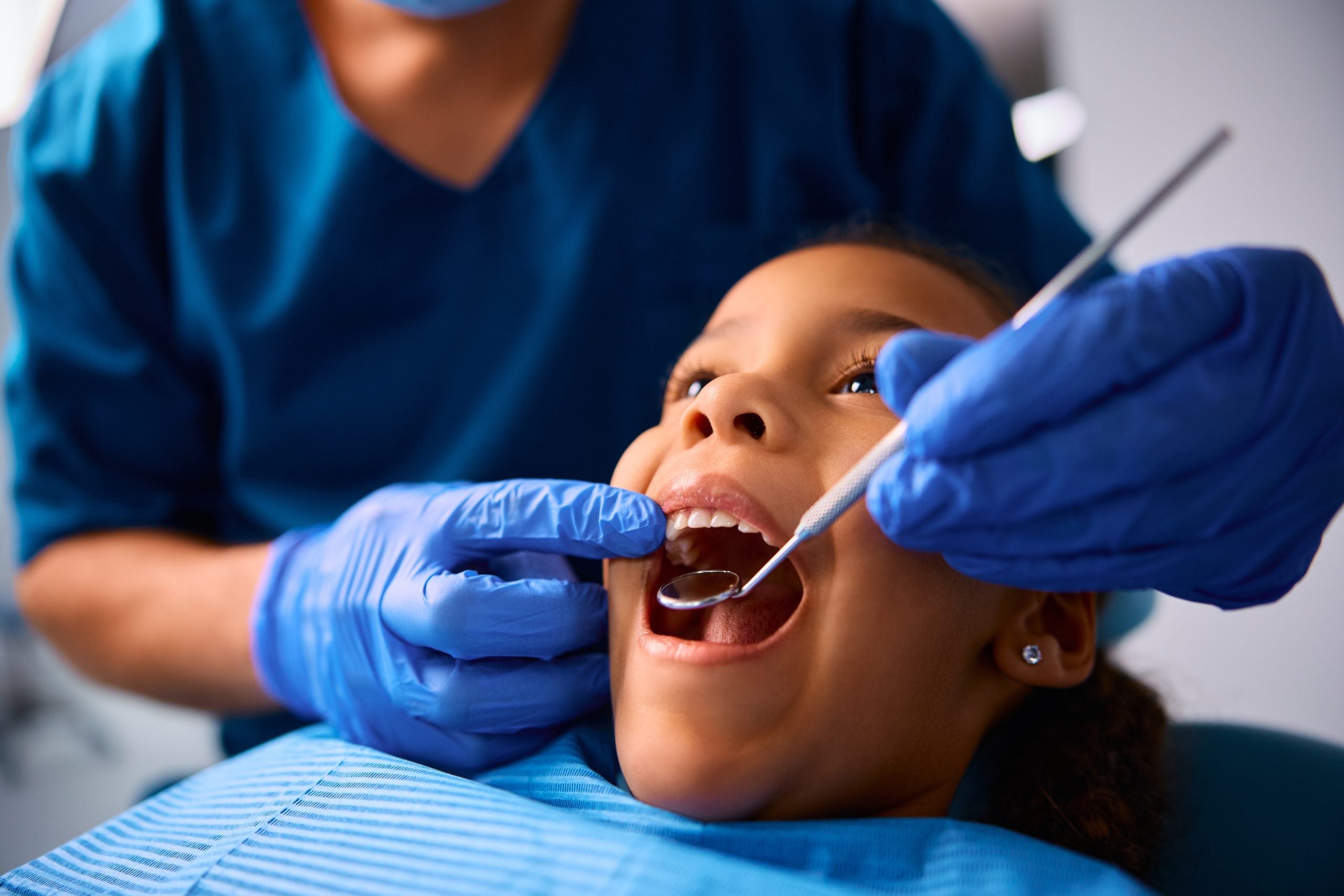
As a result, preventable issues like tooth decay often go untreated, leading to more emergency dental visits and, in some cases, broader health complications.
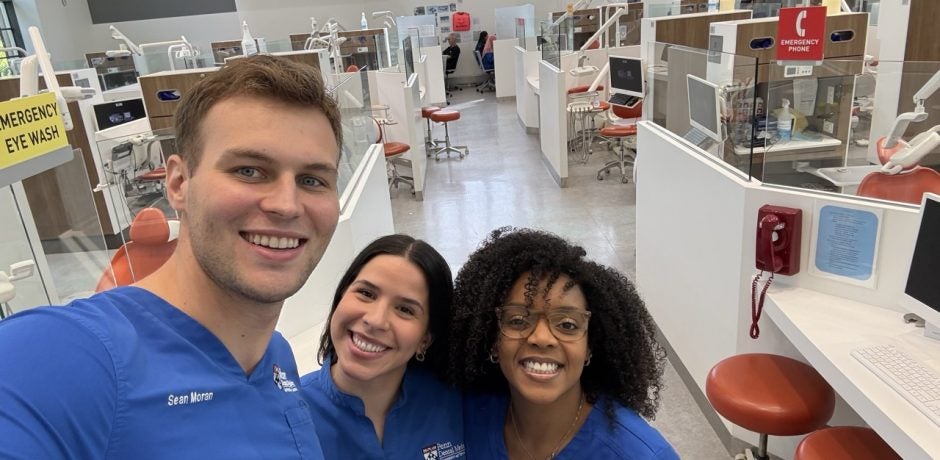
At the same time, Penn Dental Medicine is helping address this gap by offering high-quality care at a reduced cost. Through our student clinic model, patients receive treatment from dental students under the close supervision of experienced faculty, making care more accessible for those who may otherwise delay or forgo treatment.
In communities where access to care is limited, fluoridated water remains a critical first line of defense against cavities, helping protect oral health at the population level and reducing risk even when regular dental visits aren’t always possible.

Still, fluoride alone isn’t a substitute for professional care. It works best as part of a broader preventive approach.
Fluoride water is just one piece of maintaining good oral health. Regular dental visits, proper hygiene, and preventive care all play essential roles. Additionally, you can help protect your oral health by:
Every patient’s needs are different. A dentist can help determine whether you may benefit from additional fluoride treatments or if your current exposure is appropriate. You should consider speaking with your dentist if you have frequent cavities, have concerns about fluoride exposure, or are unsure about your water source or filtration system.
Understanding fluoride and separating fact from fear is an important step in protecting your oral health. If you have questions about fluoride in water or your personal dental care routine, the team at Penn Dental Medicine is here to help.
Call 215-898-8965 or schedule an appointment today to get personalized recommendations and take control of your oral health with confidence.