Information Library

Start Reading


While dentists focus on individual patients’ oral health, dental practices aren’t isolated ecosystems. The methods and materials they use—especially dental amalgam, used in fillings—can leave a significant environmental footprint.
At the University of Pennsylvania School of Dental Medicine (Penn Dental Medicine, PDM)—with whom we at Penn Dental Family Practice (PDFP) work closely—students and administrators in the Sustainability Club recently graded UPSDM’s efforts to educate future dentists about the impacts dental care can have on the environment.
Evaluating the school on the five metrics that make up the Planetary Health Report Card, the Club gave PDM the following grades:
PDM coursework addresses how climate change and pollution affect health, the environmental impacts of oral health care, and the importance of practicing and developing sustainable delivery of that care. PDM has integrated 14 lectures and topics dedicated to planetary health issues into the curriculum.
PDM dedicates staff and resources to interdisciplinary studies in planetary health. Most notably, Dr. Julian Fisher, Director of Oral and Planetary Health Policies within PDM’s Center for Integrative Global Oral Health, is a leading authority in oral and planetary health.
Among other initiatives, PDM hosts the annual Global Oral Health & Climate Action Conference, which brings together clinicians, researchers, policymakers, and community stakeholders to learn more about climate change’s impacts on oral health and to advocate for sustainable healthcare.
PDM offers extensive resources and grants to students who want to develop and implement sustainability projects, and makes it possible for them to carry out in-depth research into sustainable care and planetary health.
PDM’s Center for Integrative Global Oral Health oversees such efforts as Oral and Planetary Health Policies, Climate Change Statements, and Sustainability Pledges.
The Sustainability Club called these grades “a great starting point, [but] there is much left to do!”
Obviously, providers at PDFP have completed their formal dental education, though they are all committed to lifelong learning and professional development, and some serve as faculty at UPSDM.
Even so, in our daily delivery of care, we at PDFP are doing our part to promote more sustainable dentistry practices that benefit not only our patients but also the planet.
To fill teeth, dentists have for a long time used dental amalgam, a mixture of liquid mercury and a powdered silver alloy. In the West, dentists started using mercury-based amalgams in the early 19th century. In China, dentists had been using them since the T’ang Dynasty (619-907 CE).
However, dental amalgams pose one of dentistry’s most pressing environmental problems.
Wastewater from dental clinics is a primary way mercury enters the environment. Small particles of amalgam can get washed down the drain when fillings are removed or during polishing procedures. In the U.S., dental offices discharge about 5.1 tons of mercury each year into municipal wastewater systems.
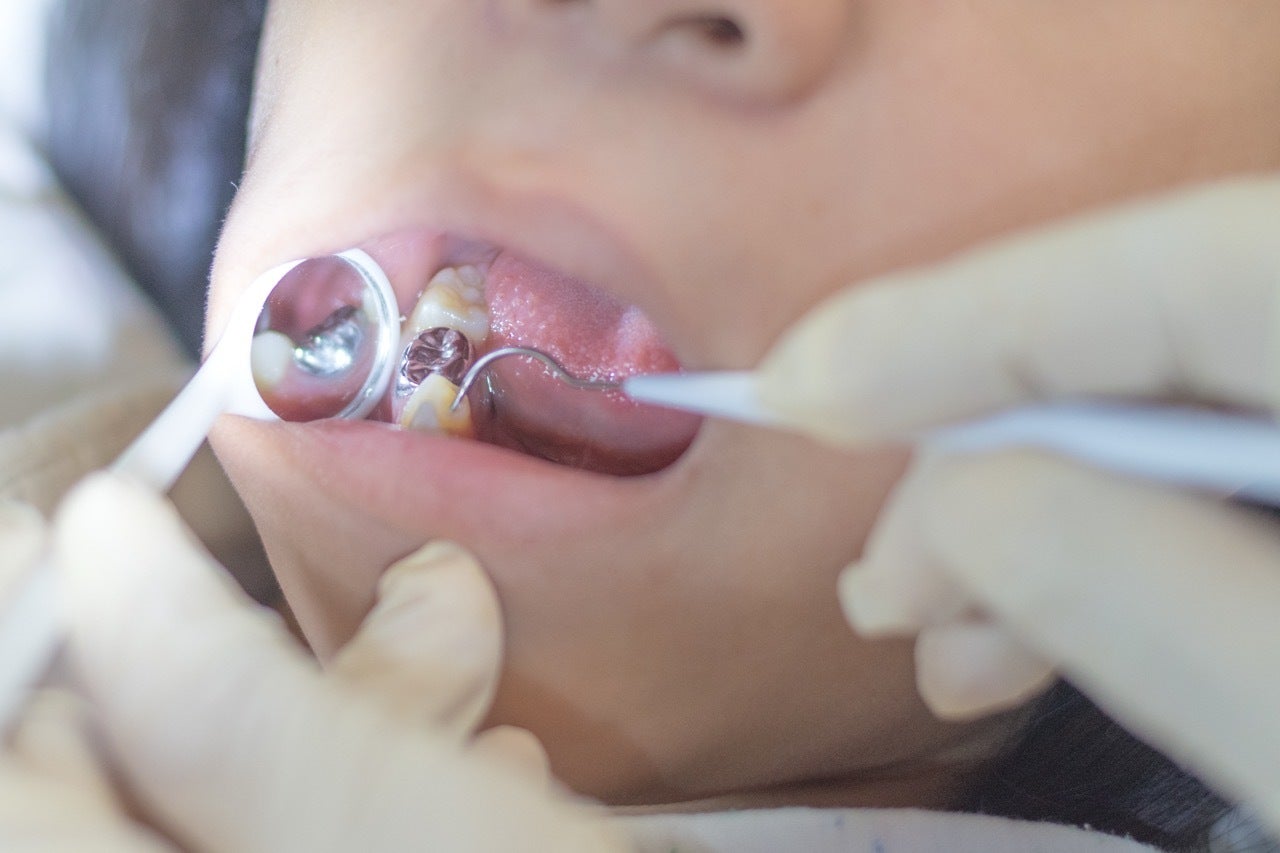
Mercury doesn’t simply disappear. It contaminates soil and bodies of water, gradually builds up in aquatic life, and can eventually enter the human food chain.
The World Health Organization (WHO) classifies mercury as one of its top 10 chemicals of major public health concern. It can have toxic effects on human health, including on the nervous, digestive, and immune systems, and on the lungs, kidneys, skin, and eyes. Mercury is especially dangerous to children in utero and early in life.
Fortunately, dentists around the world are working to reduce and ultimately phase out the use of dental amalgam. Spurred on by the Minamata Convention on Mercury, a global treaty that went into effect in 2017, dental technology has made advancements in developing viable and effective, mercury-free alternatives to dental amalgam.
At PDFP, we sometimes still use dental amalgam, but we also use composite resins made from a blend of plastic and glass particles. And we use glass ionomer cements, which release fluoride and can successfully address dental caries and restore tooth structure. These materials not only eliminate the mercury problem but also often offer aesthetic advantages and are less invasive.
When we do use amalgams, we strictly adhere to all regulations and best practices to prevent mercury releases.
An amalgam separator is a device that captures amalgam particles from dental unit wastewater before it enters the municipal sewer system. Mandated in many regions, these separators are critical to our compliance with environmental protection standards.
Beyond separators, we have also adopted stringent protocols for handling amalgam waste, including:
Modern society’s pervasive use of plastics also extends into dental offices, creating another major environmental challenge.
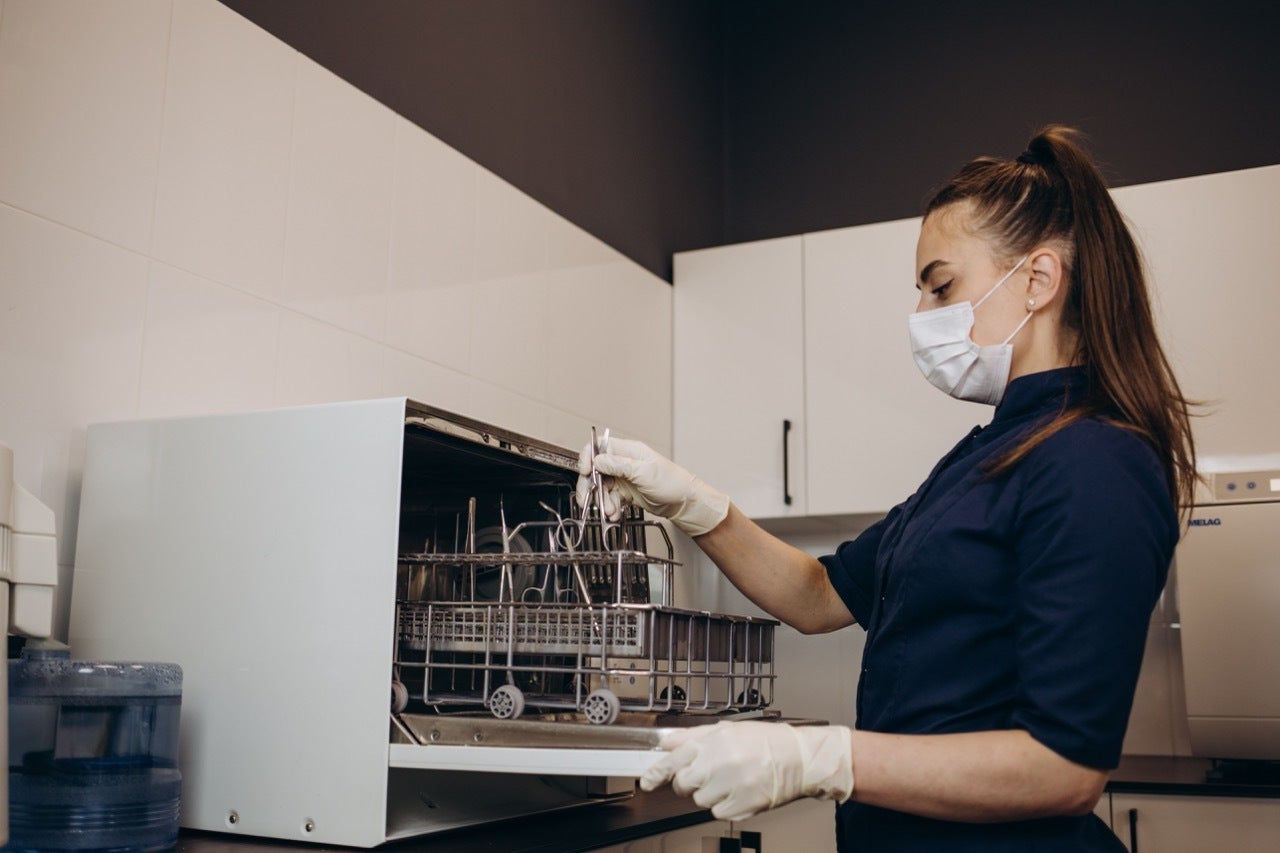
Gloves, masks, barriers, cups, impression trays, and countless instruments are often designed for single use to ensure infection control and efficiency. While vital for patient safety, reliance on disposables generates considerable plastic waste.
Beyond immediate clinical items, such as restorative materials or composite resins, which are mercury-free, are themselves plastic-based polymers. Packaging for supplies, syringes, and even parts of dental equipment also contributes to the plastic burden.
Many plastics persist in landfills for centuries. They slowly break down into harmful microplastics that pollute soil, water, and air. Accumulated plastic waste is a problem that dental clinics seeking to operate sustainably can’t ignore.
At PDFP, we’ve made deliberate shifts in our procurement strategies and routine practices to reduce our reliance on single-use plastics. We use many safe and clinically appropriate alternatives, such as steam sterilizers (autoclavable instruments), reusable sterilization pouches, and cloth barriers.
For items we must dispose of, we prioritize those made from recycled content or bio-based, compostable materials. We also buy supplies in bulk, which cuts down on packaging waste.
And what about the environmental footprint of tooth-colored restorations, such as those that use composite resin? As dental science advances, researchers are focused on developing materials for restorations that are not only mercury-free but also derived from more sustainable sources. Several of these new materials are potentially biodegradable or more easily recyclable.
Research into novel biomaterials, advanced ceramics, and composite formulations with reduced plastic content offers promising avenues for the future of restorative dentistry. Over time, they will increasingly provide durable solutions with minimal environmental consequences.
You’ll spot familiar recycling bins for paper and cardboard at PDFP, but our commitment to recycling extends beyond them.
Many commonly discarded items can, in fact, be recycled: certain types of plastics (such as specific packaging materials), lead foil from X-ray films, and even some metal components from instruments and equipment. Several dental product manufacturers and specialized recycling companies offer take-back programs designed to process these unique waste streams.
PDFP researches and takes advantage of these opportunities as often as possible. We train our staff in the correct waste-separation procedures and partner with waste management services that offer comprehensive recycling to ensure the recyclables we collect are properly processed.
By understanding which materials are recyclable and how to prepare them, PDFP is diverting a significant portion of our waste from landfills.
Of course, achieving sustainable dentistry involves more than addressing mercury, plastic, and recyclables in isolation.
We’re integrating our efforts into the fabric of our operations so that our efforts in all these areas work together. For example, choosing mercury-free restorative materials that also have a lower plastic footprint and are packaged sustainably is a significant win across all three fronts at once.
By consciously eliminating mercury, strategically minimizing plastic waste, and maximizing the recyclability of materials, we at PDFP are significantly reducing our environmental footprint.
Our proactive approach means that when you get care from us, you’re investing in not only your best possible oral health but also the health of the planet.
For your healthier, brighter, and “greener” smile, schedule your next PDFP appointment online now or call us at 215-898-PDFP (7337).