Information Library

Start Reading


Most people pay close attention to their smiles, but what about their gums? While a bright smile often gets the attention, healthy gums are the foundation that supports and protects your teeth. Symptoms such as bleeding when brushing, persistent bad breath, gum tenderness, or swollen gums may seem minor, but they can be early signs of gum disease (also known as periodontal disease).
Because these warning signs are often painless at first, many people don’t realize a problem is developing. Understanding the difference between healthy gums and the signs of gum disease can help protect your oral health before more serious problems arise.
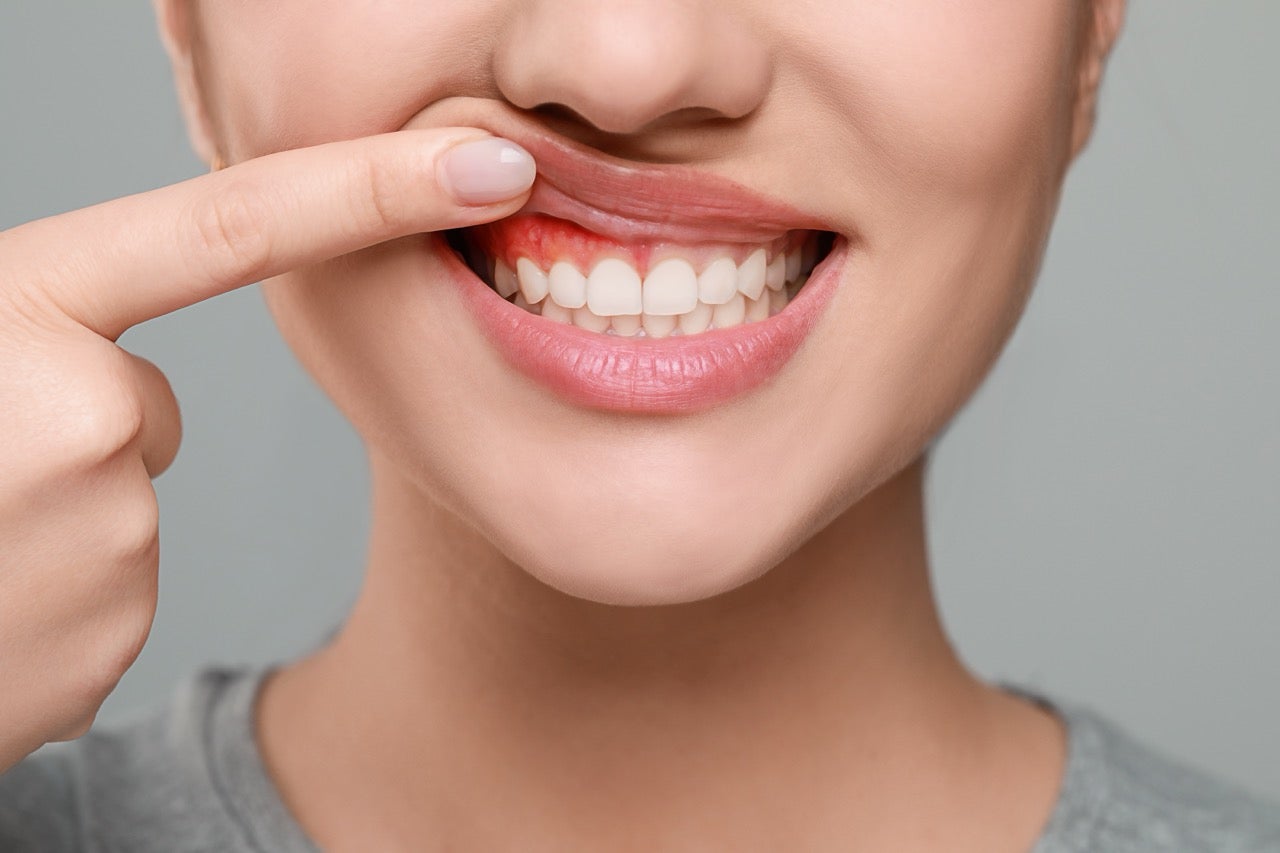 Many of the early signs of gum disease are easy to overlook because they often develop gradually and without pain. By learning what healthy gums should look and feel like, you can better recognize when something isn’t quite right and take steps to protect your oral health.
So, what do healthy gums look like? Healthy gums are typically firm, pink, and fit snugly around the teeth. They should not bleed when you brush or floss, and they should feel comfortable rather than tender or swollen. While gum color can vary slightly from person to person, healthy gums generally appear consistent in color and texture.
When gums become irritated or infected, however, changes can begin to occur. The challenge is that many people dismiss these early warning signs as temporary or insignificant. Recognizing the difference between healthy gums and the early stages of gum disease can help prevent more serious oral health complications in the future.
Gum disease often begins with a mild form of inflammation known as gingivitis. At this stage, symptoms may be subtle, but they are important indicators that your gums need attention.
Some of the most common early signs of gum disease include:
Bleeding Gums: One of the most frequently overlooked symptoms is bleeding during brushing or flossing. Many people assume they are brushing too hard, but healthy gums generally should not bleed during routine oral hygiene.
Red or Swollen Gums: Inflamed gums may appear darker red than normal or become puffy and swollen. This inflammation occurs as your body responds to bacteria accumulating around the gumline.
Persistent Bad Breath: Bad breath that doesn’t improve with brushing, flossing, or mouthwash may be linked to bacteria associated with gum disease. Chronic bad breath can sometimes be one of the earliest clues that something more is happening beneath the surface.
Gum Tenderness or Sensitivity: If your gums feel sore, irritated, or uncomfortable when eating or brushing, it may indicate early inflammation.
Gums Pulling Away from the Teeth: As gum disease progresses, the gums may begin to recede, making teeth appear longer than before. Even mild gum recession should be evaluated by a dental professional.
Changes in the Way Teeth Fit Together: Although more common in advanced stages of gum disease, shifting teeth or changes in your bite can occur as supporting tissues become damaged.
 Gum disease develops when plaque—a sticky film of bacteria—accumulates on teeth and along the gumline. If plaque is not removed through daily brushing and flossing, it can harden into tartar, which can only be removed by a professional dental cleaning.
However, oral hygiene is only one piece of the puzzle. Several factors can increase a person’s risk of developing gum disease, including:
Having one or more risk factors does not guarantee you will develop gum disease, but it does mean maintaining good gum health becomes even more important.
One reason gum disease is so common is that it often causes little or no discomfort during its earliest stages. Unfortunately, this can lead people to delay seeking treatment until the condition becomes more advanced.
Without intervention, gingivitis can progress to a more serious form of gum disease that damages the tissues and bone that support the teeth. Over time, this damage can contribute to gum recession, loose teeth, and even tooth loss.
The good news is that early-stage gum disease is often reversible with professional care and improved oral hygiene habits. Detecting problems early can help preserve your natural teeth and reduce the need for more extensive treatment later.
Whether you’re currently experiencing symptoms or simply want to maintain healthy gums, there are several steps you can take to support long-term gum health.
Brush Thoroughly Twice Daily: Use a soft-bristled toothbrush and fluoride toothpaste to remove plaque from your teeth and along the gumline.
Floss Every Day: Flossing helps remove plaque and food particles from areas your toothbrush cannot reach. Consistent flossing is one of the most effective ways to prevent gum disease.
Schedule Regular Dental Visits: Routine dental exams and professional cleanings help identify problems before they become more serious. Your dental team can often detect early signs of gum disease before symptoms become obvious.
Avoid Tobacco Products: Smoking and tobacco use significantly increase the risk of gum disease and can make treatment less effective.
Eat a Balanced Diet: A diet rich in fruits, vegetables, lean proteins, and whole grains can help support both oral and overall health.
Manage Chronic Health Conditions: Conditions such as diabetes can affect your gum health. Following your healthcare provider’s recommendations may help reduce your risk of complications.
For many patients wondering how to improve gum health, the answer begins with a combination of excellent daily oral hygiene and regular professional care.
Early gum disease treatment can often stop inflammation before permanent damage occurs. The right treatment depends on the severity of the condition.
For early-stage gingivitis, professional dental cleanings and improved home care may be enough to reverse inflammation and restore healthy gums.
For more advanced cases, treatment may include:
Because every patient’s needs are different, a comprehensive evaluation is essential for determining the most appropriate treatment approach.
If you notice bleeding gums, swelling, persistent bad breath, gum recession, or other changes in your gums, it’s important not to ignore them. While these symptoms may seem minor initially, they can be early indicators of a developing problem.
The sooner gum disease is identified, the more treatment options may be available and the better the opportunity to preserve your oral health.
 Schedule an Appointment at Penn Dental Medicine
If you’re concerned about bleeding gums, gum tenderness, persistent bad breath, or other potential signs of gum disease, the team at Penn Dental Medicine can help. Our experienced providers offer comprehensive evaluations and personalized gum disease treatment options designed to support long-term oral health.
Don’t wait for symptoms to worsen. Request an appointment today to learn more about your gum health and take the next step toward maintaining healthy gums for years to come.