Information Library

Start Reading

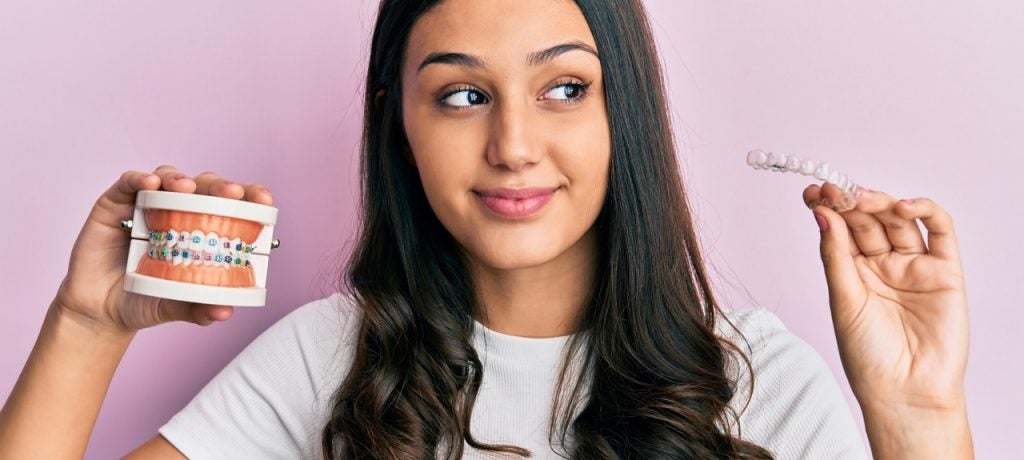
Did you know braces aren’t just for teenagers anymore? In fact, about 1 in 3 orthodontic patients today are adults, proving it’s never too late to invest in a healthier, more confident smile. If you’re considering orthodontic treatment, one question is likely at the top of your list: InvisalignⓇ vs. braces—which is better for adults? While both options can effectively straighten teeth and improve bite alignment, the right choice depends on your lifestyle, oral health needs, and treatment goals.
Many adults pursue orthodontic treatment, such as braces, because they want a more confident smile. However, straightening teeth can offer benefits beyond aesthetics.
Misaligned teeth may be more difficult to clean, increasing the risk of plaque buildup, cavities, and gum disease. Bite problems can also contribute to uneven tooth wear, jaw discomfort, and difficulty chewing. Orthodontic treatment helps improve tooth alignment and bite function, supporting both oral health and appearance.
Whether your concerns are cosmetic, functional, or both, treatments such as braces and Invisalign can help address a variety of orthodontic issues.
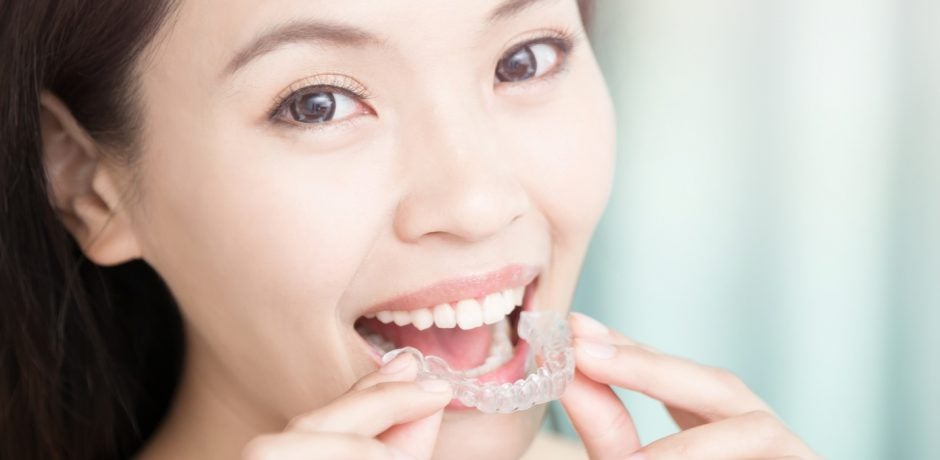
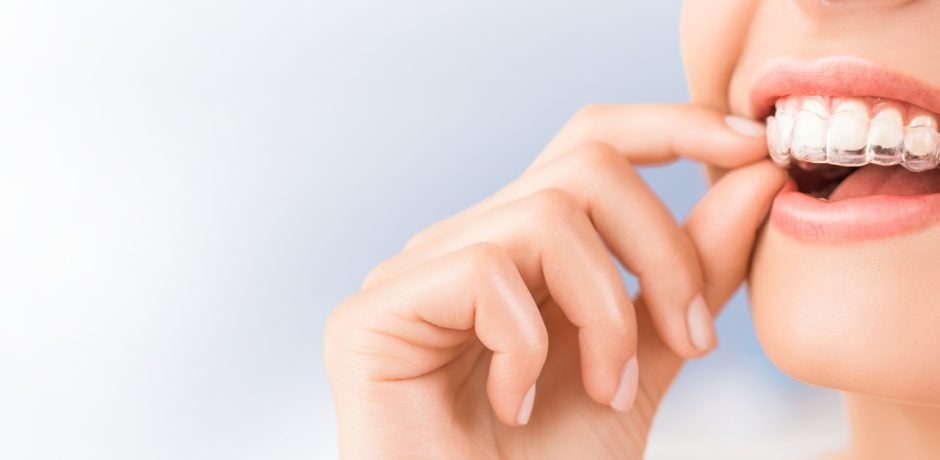
 Invisalign is a system of clear, removable aligners that gradually move teeth into their desired positions. Each set of aligners is custom-made and worn for approximately one to two weeks before progressing to the next set in the series.
Because the aligners are nearly invisible, many adults appreciate the discreet appearance of Invisalign. You can also remove the trays for eating, drinking, brushing, and flossing.
Benefits of Invisalign may include:
Successful treatment requires commitment, however. Patients typically need to wear their aligners for 20 to 22 hours per day to achieve the desired results.
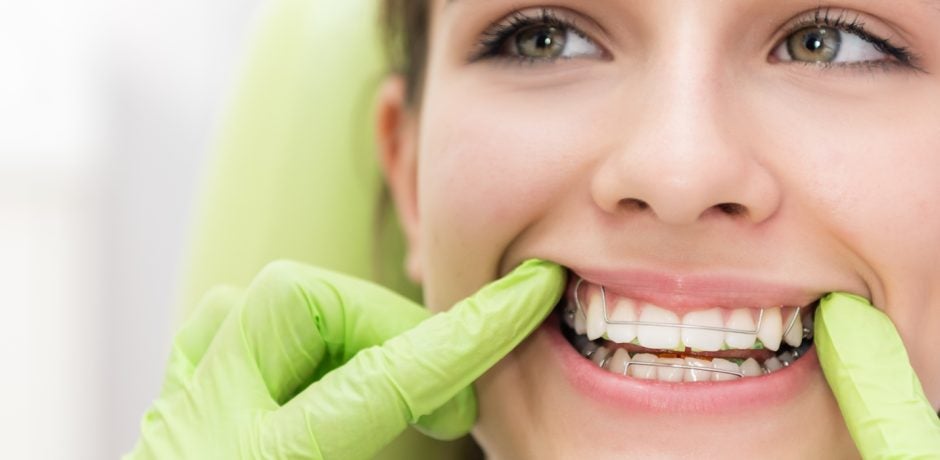
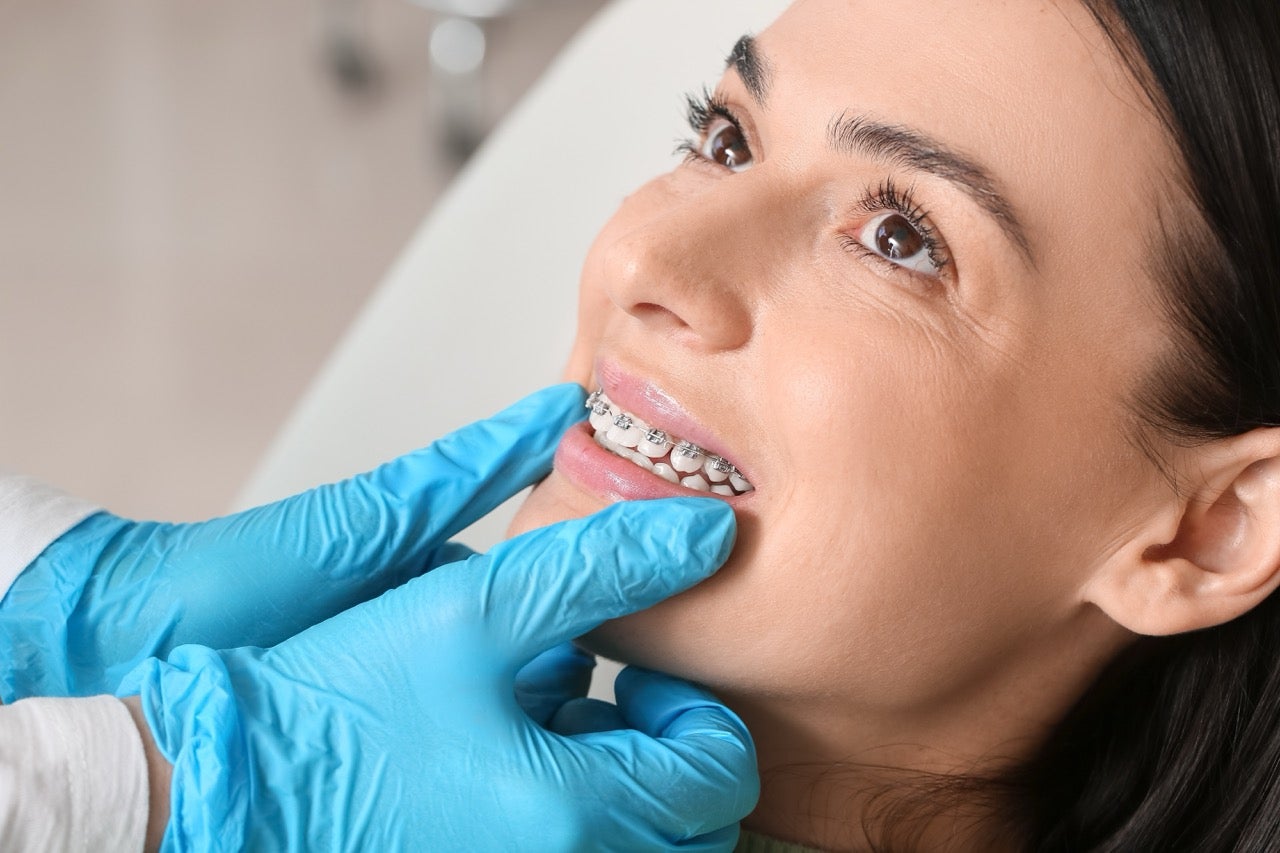 Traditional braces use brackets and wires attached to the teeth to shift them into proper alignment gradually. Modern braces are smaller and more comfortable than many people remember from childhood.
Because braces remain fixed in place, they continuously apply pressure to move teeth without relying on patient compliance. This can make them an effective solution for a wide range of orthodontic concerns, including more complex alignment and bite issues.
Benefits of braces may include:
Patients with braces may need to avoid certain sticky, hard, or chewy foods that could damage brackets and wires.
When comparing braces vs. Invisalign, several factors may influence your decision.
 The answer depends on your unique needs.
For some adults, Invisalign offers flexibility, aesthetics, and convenience. For others, traditional braces may offer the most effective path to achieving optimal results.
Factors that may influence treatment recommendations include:
An orthodontic evaluation can help determine whether braces or Invisalign are the better option for your specific situation.
If you’re considering Invisalign or braces, Penn Dental Medicine offers comprehensive orthodontic care tailored to your individual needs. Our orthodontic experts use advanced technologies and personalized treatment planning to address concerns ranging from mild crowding to more complex bite issues, helping patients achieve healthier, more confident smiles.
Whether you’re interested in Invisalign, traditional braces, or other orthodontic solutions, our team can help you make an informed decision about your smile and oral health.
Learn more about our orthodontic services by visiting the Orthodontic Experts page and scheduling an appointment to discuss your treatment options with our team.