Information Library

Start Reading


Are you exploring options for replacing missing teeth? If so, you’ve likely come across two of the most common solutions: dental implants and dentures. Both can restore your smile and improve oral function, but they differ significantly in terms of comfort, stability, maintenance, and long-term value. Taking a closer look at the benefits and considerations of each can help you determine which solution is right for your smile.
Did you know that approximately 120 million people in the United States are missing at least one tooth, and around 36 million Americans have no natural teeth at all? Tooth loss is more common than many people realize, which is why advancements in both dentures and dental implants continue to offer patients more options to restore their smiles.
However, while both dental implants and dentures can replace missing teeth, they function differently and offer unique advantages. Understanding how they compare can help you make a more informed decision about your oral health.
 What Are Dental Implants?
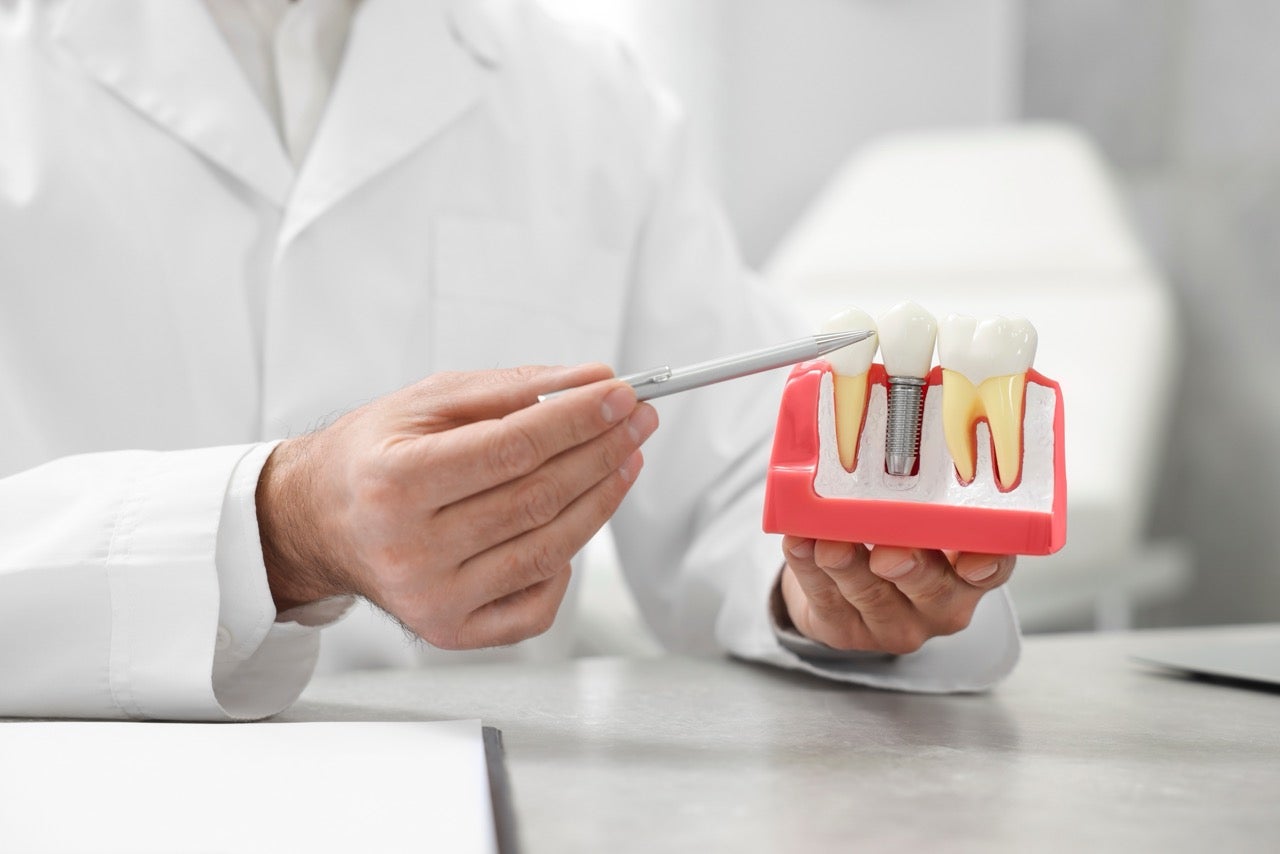
Dental implants are artificial tooth roots, typically made from titanium, that are surgically placed into the jawbone. Once the implant fuses with the bone, it can support a crown, bridge, or even a full arch of replacement teeth.
One reason many patients choose dental implants is that they function similarly to natural teeth. Because they are anchored in the jaw, they provide stability and help support the underlying bone structure.
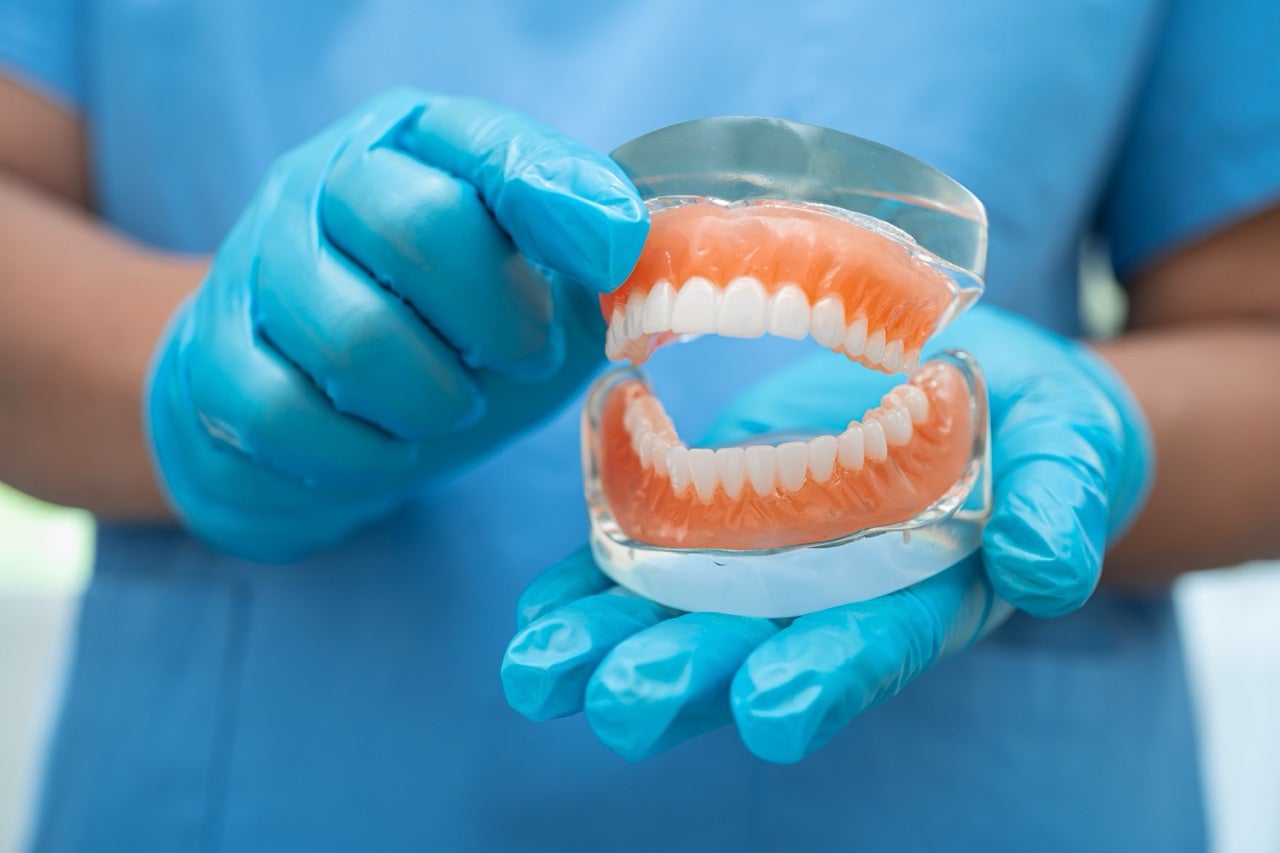
Dentures are removable appliances designed to replace missing teeth and surrounding tissues. Depending on your needs, they may be partial dentures, which replace several teeth, or full dentures, which replace an entire arch.
Modern dentures have improved significantly over the years, but they still rely on the gums and underlying bone for support. As the jawbone changes over time, dentures may require adjustments or replacement to maintain a comfortable fit.
 Dentures & Dental Implants: Comparing the Benefits
When evaluating dental implants and dentures, there are several factors to consider.
Dental Implants
Dentures
One of the biggest differences between dentures and dental implants is stability.
Traditional dentures can sometimes shift while eating or speaking, especially if they no longer fit properly. In contrast, dental implants are anchored directly into the jawbone, providing a secure foundation that allows patients to chew and speak with confidence.
For some patients, implant-supported dentures offer a middle ground. According to the Cleveland Clinic, implant-supported dentures attach to dental implants for added stability and can replace multiple teeth. This approach can help reduce movement and improve comfort compared to traditional removable dentures. It is especially beneficial for people who have lost all of their natural teeth, a condition dentists refer to as being edentulous. Instead of relying on the gums alone for support, two to four dental implants can be placed in the jaw to stabilize a removable denture. The denture still comes out for cleaning, but it feels more secure, reduces slipping, and can make eating and speaking more comfortable.
Replacing missing teeth is about more than appearance. It can also affect your long-term oral health.
When a tooth is lost, the jawbone beneath it no longer receives stimulation from chewing forces. Over time, the bone may begin to shrink. Because dental implants integrate with the jawbone, they can help maintain bone structure and facial support.
Dentures restore appearance and function, but they do not prevent the natural bone loss that can occur after tooth loss. This is one reason many patients evaluating dental implants or dentures consider the long-term benefits of implants.
Cost is often one of the first questions patients ask.
While dental implants typically require a higher initial investment, they are designed to be a long-term solution. Dentures generally cost less upfront but may require relining, repairs, adjustments, or replacement over time.
When considering value, it can be helpful to think about:
For many patients, the decision isn’t simply about cost today; it’s about which option best supports their needs for years to come.
There is no one-size-fits-all answer when comparing dental implants and dentures. Factors such as your overall health, bone density, budget, lifestyle, and personal preferences all play a role in determining the best solution.
A comprehensive dental evaluation can help identify which treatment option matches your goals and oral health needs.
 Restore Your Smile at Penn Dental Medicine
Whether you’re considering dental implants, traditional dentures, or implant-supported dentures, the prosthodontic team at Penn Dental Medicine can help you explore your options. A prosthodontist is a dentist with advanced specialty training in restoring and replacing missing teeth with dentures, bridges, and dental implants. From evaluation and treatment planning to restoration and ongoing care, Penn Dental Medicine offers a full range of services in one convenient location.
Ready to learn which option is right for you? Schedule an appointment today to discuss the benefits of dental implants vs. dentures and develop a personalized treatment plan designed to restore your smile and confidence.