Information Library

Start Reading


The holiday season brings cozy gatherings, sparkling decorations, and irresistible sweets at every turn. From cookies and candy canes to festive drinks, it’s easy to get caught up in the sugary celebrations. But have you ever wondered why sugar seems to make your teeth ache—or how those extra treats might affect your smile long after the holidays are over? In this article, we’ll answer the question, “Why does sugar hurt my teeth?” and share simple holiday oral health tips to help you enjoy the season without sacrificing your dental health.
 To understand why sugar harms your teeth, we need to start with a bit of science. When you eat sugary foods or drinks, the bacteria in your mouth feast on those sugars. As they digest these sugars, they produce acids as a byproduct. These acids attack your tooth enamel, which is the outer protective layer of your teeth that shields against decay. These attacks wear down enamel, weakening its structure and creating tiny openings or soft spots. Bacteria can penetrate deeper into the tooth, leading to potential cavities and causing sensitivity or pain. Over time, this process results in what could be referred to as “sugar-rotten teeth.”
In addition to causing cavities and tooth sensitivity, excessive sugar consumption is linked to a range of broader health issues.
Diets high in sugar can contribute to obesity, increase the risk of type 2 diabetes, and negatively impact cardiovascular health by raising blood pressure and inflammation levels. Over time, these effects don’t just threaten your overall well-being; they can also indirectly affect your oral health, as conditions like diabetes can make your gums more vulnerable to infection and slow the healing process.
Think of all the holiday cookies, candies, and sweet beverages at parties and family gatherings. Seasonal treats like gingerbread, fruitcakes, and candy canes are delightful but laden with sugar. These delectable delights can double or triple your usual sugar intake, increasing the risk of cavities more than any other time of the year.
Furthermore, oral hygiene routines can easily be overlooked amidst the holiday hustle and bustle. Parties and late-night festivities can lead to missed brushing and flossing sessions, further compounding the risk.
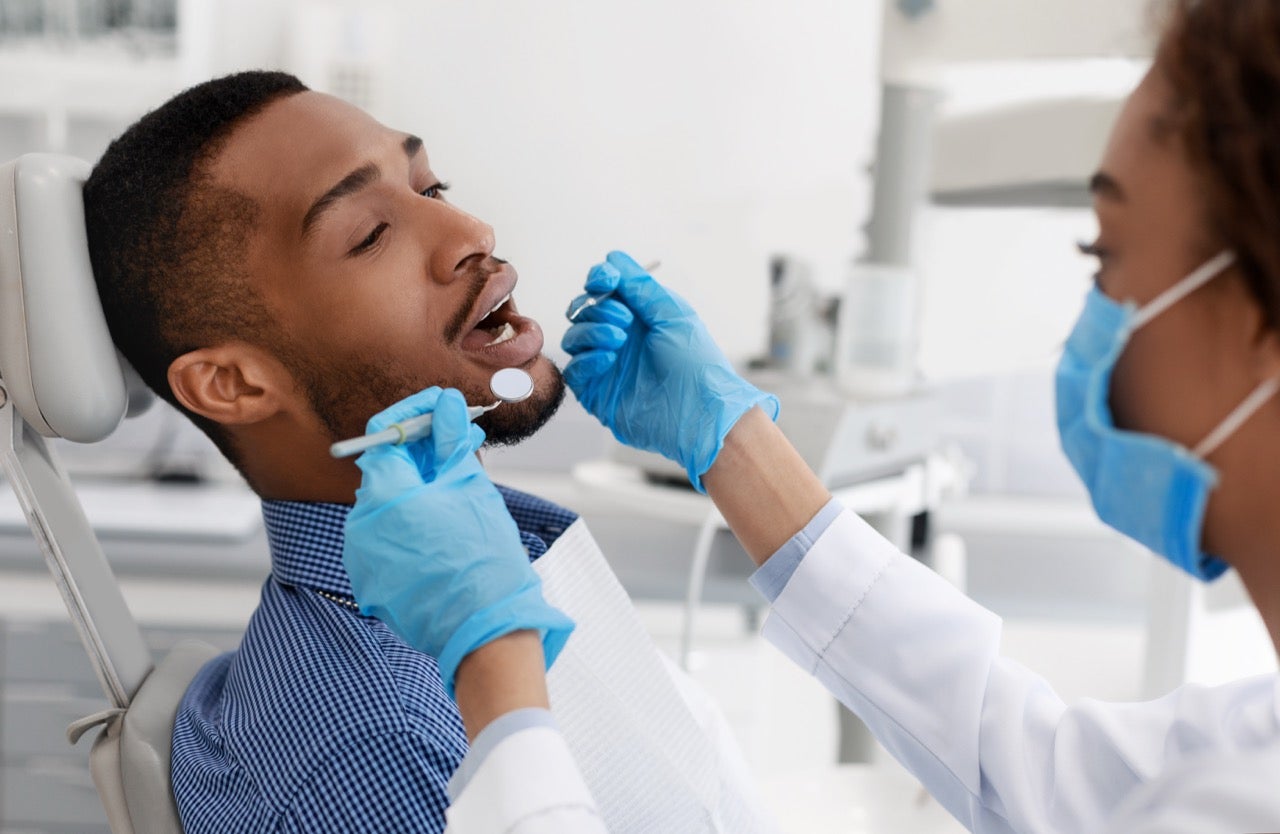 Despite these challenges, the good news is you don’t have to forego your favorite holiday sweets altogether. By taking a few proactive steps, you can enjoy the festivities while maintaining optimal dental health.
Despite your best efforts at dental hygiene, you may still develop some issues. How can you tell if you might have a cavity? You may experience:
If left untreated, a cavity can lead to infection, abscess formation, or even tooth loss. Therefore, early detection and treatment by a dentist are crucial. Visiting a dentist regularly can prevent minor problems from developing into serious conditions.
 Understanding why sugar hurts your teeth is the first step toward better oral health, particularly when sweet temptations are at an all-time high during the holidays.
Practice moderation, maintain good oral hygiene, and stay in touch with Penn Dental Medicine. We’re here to help you maintain a healthy, radiant smile throughout the holiday season and beyond.
Schedule an appointment today by calling 215-898-8965 or completing this form. Your holiday memories will be even brighter when you know you’ve taken steps to care for your dental health.