Information Library
Start Reading

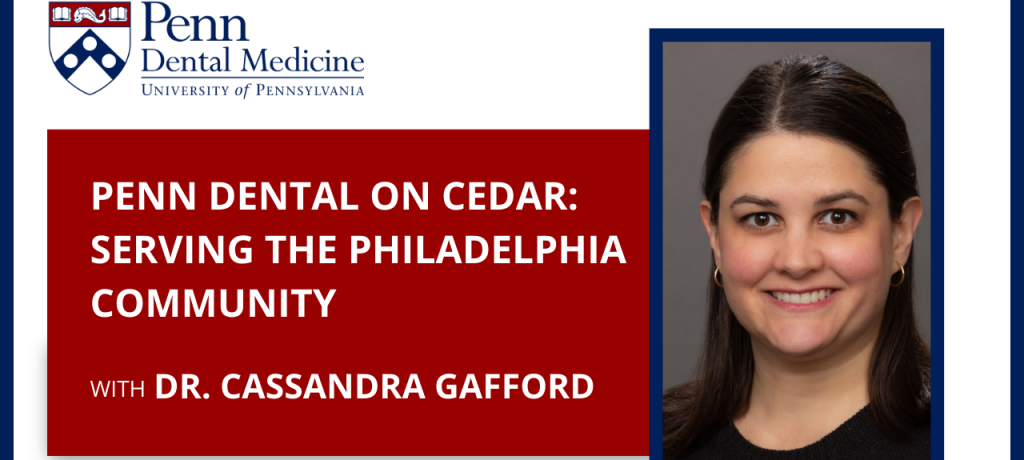
Oral health is a critical part of whole-person care, yet for many patients it has long been treated as separate from medicine. At the University of Pennsylvania School of Dental Medicine’s community-based sites, that model is being reimagined. Dr. Cassandra Gafford, Clinical Director of the Community Oral Health Sites, which includes Penn Dental Medicine at PHMC on Cedar, is helping lead an integrated approach that brings dental and medical providers together under one roof.
The result is more accessible care, earlier disease detection, and a stronger connection between oral health and overall wellness for the patients and communities they serve.

“Historically, medicine and dentistry have been kept very separate, so it’s really no wonder that patients think that dentistry isn’t part of overall health. But that couldn’t be further from the truth,” Dr. Gafford says. Oral health is part of overall health, and having dental care in the same area as medical care allows collaboration between dental and medical professionals, which is instrumental in protecting a patient’s overall health.
This medical dental integration model doesn’t just improve individual outcomes; it also helps reduce strain on the healthcare system. By treating dental infections, providing preventive dental care, and identifying issues earlier, community-based dental clinics help divert patients from hospital emergency departments, where dental pain is often treated with temporary solutions rather than definitive care.
“In addition to treating teeth issues and gum issues, which can decrease inflammation and infection in the mouth, we also, as dentists, provide head and neck exams and oral cancer screenings,” Dr. Gafford shares. “Sometimes, we can diagnose health issues before a physician is even able to do so,” which makes the close partnership between medical and dental teams essential.
Co-location also improves efficiency across the entire health center. Patients who come to the emergency department with dental emergencies can be redirected to the Penn Dental Medicine clinic for definitive care, reducing strain on hospital resources and giving patients access to the imaging and clinical expertise emergency departments typically lack for oral conditions. At the same time, dental teams can identify warning signs of systemic issues—such as hypertension or diabetes—and provide immediate referrals to medical providers in the same building.
Most people see their physician regularly, but not the dentist. To help address the problem of infrequent dental visits, PDM at PHMC on Cedar makes it easier for people to get regular dental care. Because they are in the same location, “We have public health hygienists and students who will go to the primary care suite and provide dental screenings for patients while they wait for their primary care physician,” Dr. Gafford explains. “We‘ll even help facilitate and make those appointments for people, which makes it easier for them all around.”
This “meet patients where they are” approach is a key reason the PDM at PHMC on Cedar model is so effective. Patients who come in for medical visits can be screened for dental needs during the same visit—eliminating the need for multiple appointments and making it far more likely they’ll follow through with care. It also creates opportunities for real-time referrals between providers, so patients don’t fall through the cracks.
One of the biggest advantages of an integrated setting is access to electronic health records.
“Many patients don’t know what medical conditions they have, how serious they are, what medications they’re taking, or even what allergies they have,” Dr. Gafford says. In those instances, “A dentist may need to reach out to a cardiologist to understand the significance and implications of heart disease or a significant history of strokes. Some of the procedures we do in dentistry can have complications or health risks. Having access to medical records lets us review lab values and medical notes and determine if a procedure is safe, without waiting days or weeks.”
That shared access to health information also allows providers to coordinate care for chronic conditions more efficiently.
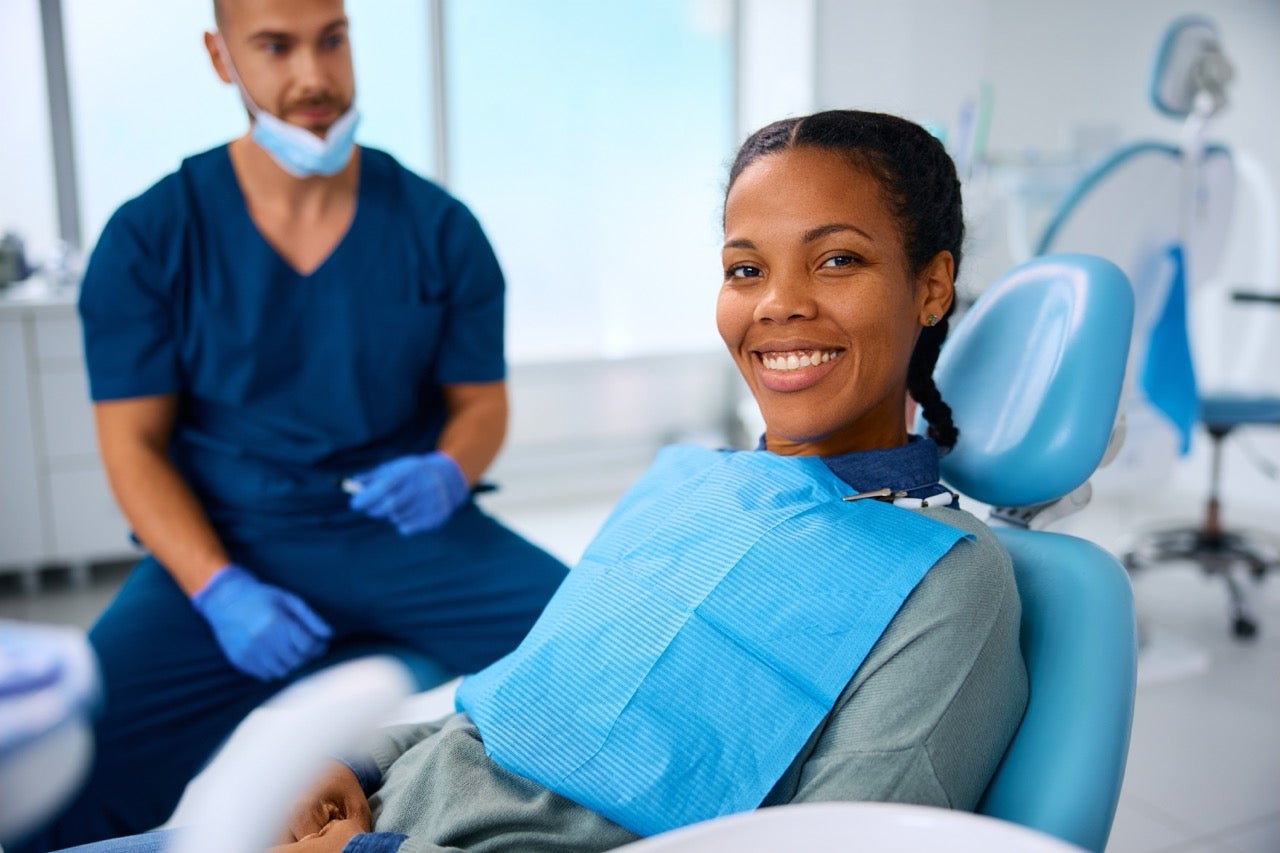
For many underserved communities, the challenge isn’t a lack of willingness; it’s access.
The first barrier to access is cost. Affording dental care can be an issue. “Dental care can be prohibitively expensive for many people, especially if they have significant dental needs,” she says. Additionally, even if they have insurance, they may have trouble finding dentists who accept it.
Another barrier is getting to appointments. If there aren’t many offices nearby, it can be challenging to take time off work, find childcare, and even find transportation to the office. Community-based clinics like PDM at PHMC on Cedar can reduce some of those barriers.
Locating dental services within a familiar, trusted community health setting also helps patients feel more comfortable seeking care. For many individuals, this continuity—seeing medical and dental providers in one place—builds confidence, increases follow-up visits, and supports long-term preventive habits.
Many patients may feel embarrassed about their mouths because they haven’t been to see the dentist for a while. But, “I promise you that we’ve seen it all. Please do not feel embarrassed. We’re here to help you,” she urges.
In addition to visiting the dentist regularly:
These habits will help keep your smile bright and healthy. Plus, for families, children should see a dentist before age 1 because healthy habits in childhood lead to healthier adults.
 PDM at PHMC on Cedar Makes Healthier Communities a Priority
By integrating medical and dental care, PDM at PHMC on Cedar is:
This medical dental integration approach is redefining what community-centered healthcare looks like: more connected, more preventive, and more responsive to the needs of every patient. If you’re ready to take the first step toward better overall and oral health, make your appointment today by completing this form or calling 855-887-9229. In the meantime, watch Dr. Gafford’s complete video about the importance of integrating dental and medical care.