Information Library

Start Reading

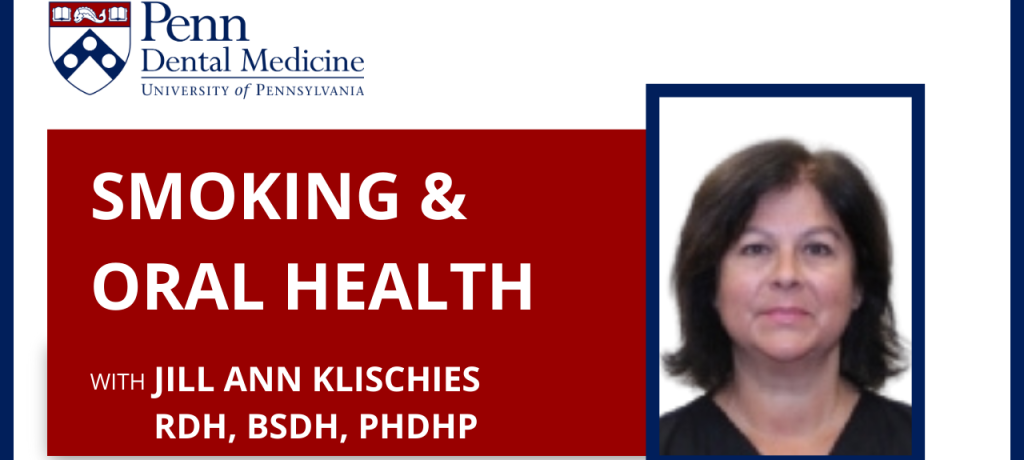
We’ve all heard that smoking is bad for your health—but did you know it takes a serious toll on your mouth, too? From stained teeth and gum disease to delayed healing and a higher risk of oral cancer, tobacco impacts every part of your smile. In this article and video, Jill Klischies, RDH, BSDH, and PHDHP, a public health dental hygienist in the Department of Community Oral Health at the University of Pennsylvania School of Dental Medicine, explores the smoking and teeth connection and answers questions on how smoking affects oral tissues, what dental professionals watch for in early detection, how they support patients in quitting successfully, and more.
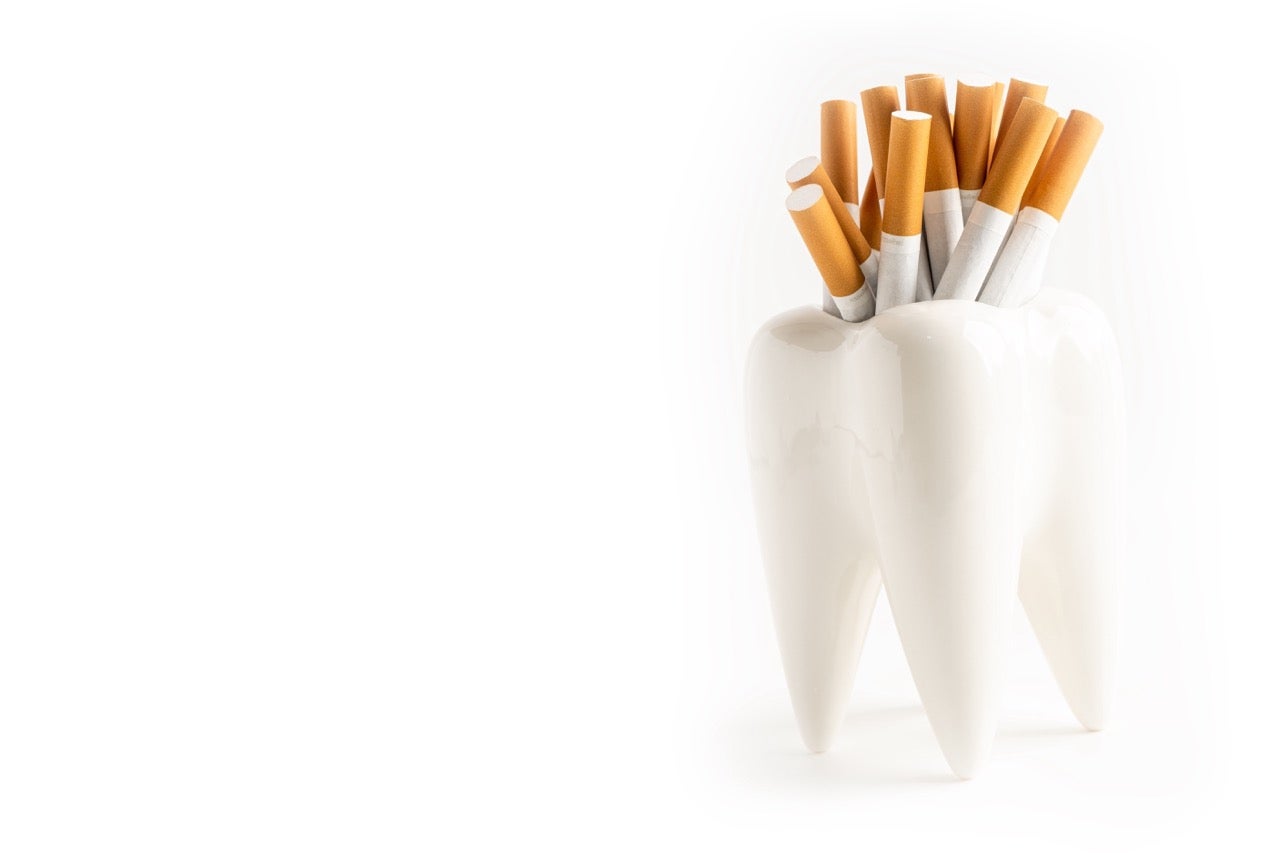 “That’s an important question,” Klischies says, “because what comes to mind for most people is bad breath or halitosis, stained or discolored teeth, and some people mention their favorite food doesn’t taste quite the same.” But there’s more to it than that.
Gums and smoking: Cigarette smoking affects the gums and bones supporting the teeth. “Smokers have twice the risk of periodontal disease or gum disease.” She also explains that cigarette smoke contains cancer-causing chemicals such as formaldehyde and arsenic.
Additionally:
For all these reasons, Klischies says it’s essential for smokers to maintain their routine dental exams to ensure any changes are detected and addressed before any damage progresses.
Smoking cigarettes increases the risk of at least 12 different cancers. “Cigarette smoking is not only the No. 1 risk factor for lung cancer, but tobacco use of any kind has been linked to an increased risk of cancers found in the mouth and throat,” Klischies explains.
Oral cancer from smoking: Inhaling cigarette smoke can lead to cancer in the cheeks, gums, roof of the mouth, under the tongue, or even in the back of the throat.
The good news is that “The dentist or hygienist is often the first to notice any changes in the mouth,” Klischies says. Always let your dentist know about any new or unusual red or white patches in your mouth, or lumps or sores that get larger and don’t heal.
Smoking and wisdom teeth: Ms Klischies cautions that smokers risk developing a dry socket after surgery. A dry socket occurs when the suction created by inhaling during smoking (or even using a straw too soon after tooth extraction) loosens or dislodges the blood clot necessary for healing the area.
Smoking and dental implants: “Since dental implants are used to replicate missing teeth, they need to be supported by healthy bone,” she explains. “Smoking can delay the healing process after implant surgery and can increase the risk of the implant failing.” It’s recommended to stop using all tobacco products to increase the chance of success.
“Unfortunately, smoking can affect or interfere with the healing process after procedures like tooth extractions, periodontal surgery, gum surgery, or even dental implants,” Klischies says. The nicotine in cigarette smoke reduces the blood flow and the oxygen and nutrients needed for tissues to heal properly without complications.
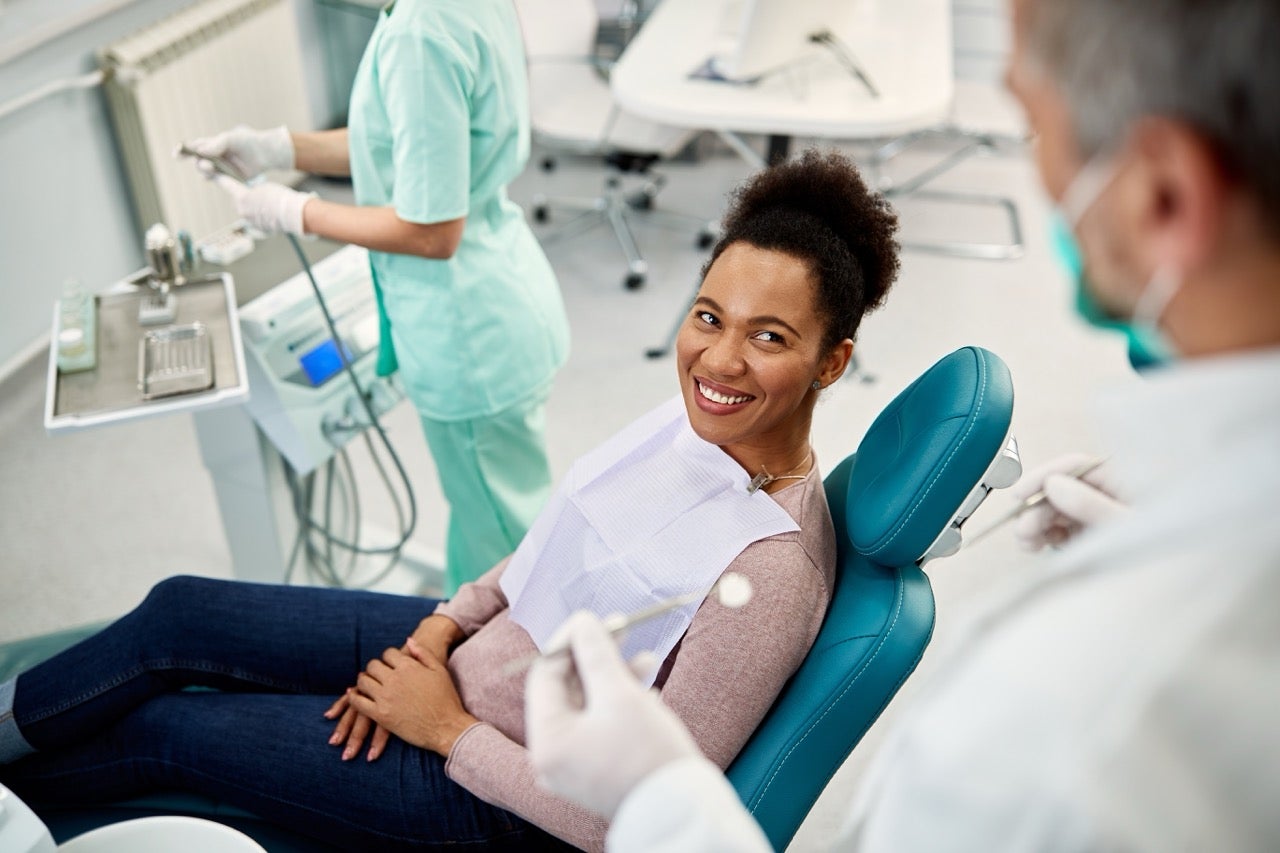 There are many ways your dentist, dental hygienist, or other members of the dental health care team can help you quit. Klischies feels the most successful methods combine behavioral counseling along with the use of nicotine replacement products, such as:
Klischies notes that using counseling and medications together can double the chances of quitting. And, combining short and long-term acting nicotine replacement products like the patch with gum can also increase the chance of quitting.
Other strategies include:
Many communities, as well as local hospitals, have tobacco-cessation programs, while websites such as smokefree.gov offer information, text messaging, and apps. You can also participate in the Great American Smokeout each year on the third Thursday in November and access additional information on its website.
 Many people are surprised to learn that secondhand smoke contains many of the same harmful cancer-causing chemicals and risks as smoking. Repeated exposure to secondhand smoke raises the risk of cancer in the throat and nasal sinuses.
Also, “People may think that smokeless or spit tobacco products like chew, dip, or more finely ground products such as snuff or dip are safe. They aren’t,” says Klischies. Not only do they contain nicotine, but they also contain cancer-causing chemicals that are absorbed through the tissues in the mouth.
Additionally, these products often contain sweeteners that can increase the risk of tooth decay and may be gritty, which can cause wear and tear on the teeth and contribute to gum recession.
Understanding the connection between smoking and teeth health is crucial for protecting your smile and overall well-being. For more insights and expert advice, be sure to watch the full video for details on prevention, early detection, and treatment.
At Penn Dental Medicine, you’ll receive outstanding care from specialists dedicated to improving your oral health and helping you make lasting changes.
To learn more about the outstanding care and personalized attention that make Penn Dental Medicine a trusted partner in lifelong oral health, please schedule an appointment by completing our online form or calling us at 215-898-8965.