Information Library

Start Reading

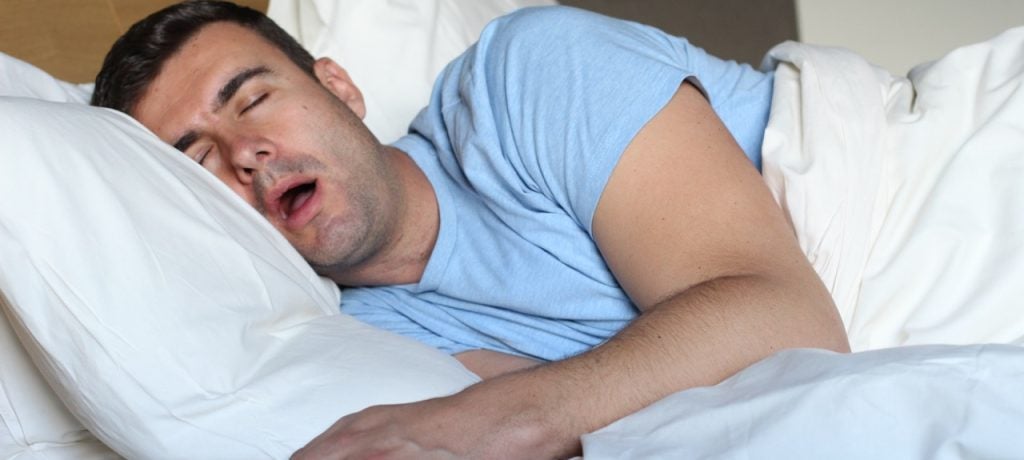
Waking up to find drool on your pillow isn’t exactly how anyone wants to start the day. It’s something that happens to many of us at one time or another. But although drooling in sleep is common—and potentially embarrassing—many people wonder whether they should be concerned. The answer depends on what’s causing it. In some cases, your mouth may be trying to tell you something. Here’s what you should know about why nighttime drooling happens, when it’s considered normal, and when it may be time to talk with a healthcare provider or dentist.
 Although people often think of drool as something messy or embarrassing, it’s simply saliva that wasn’t swallowed during sleep. That’s an important distinction because saliva is one of your body’s unsung heroes. As Dr. Mark Wolff, Dean of Penn Dental Medicine, recently told The New York Times, “Without saliva, we’re in trouble.” That’s because saliva does much more than keep your mouth moist. It plays an essential role in your oral health by:
During the day, you swallow saliva without even thinking about it. While you sleep, however, you swallow less frequently, the muscles around your mouth relax, and gravity can make it easier for saliva to escape—especially if you’re sleeping on your side or stomach or breathing through your mouth. While occasional drooling is usually harmless, certain habits, health conditions, and even the way you sleep can make it happen more often.
While occasional drooling during sleep is common, some people experience it more frequently or more heavily than others. It’s important to know that excessive drooling doesn’t necessarily mean your body is producing too much saliva. In many cases, the cause is temporary and easy to address. In others, it may indicate an underlying health condition that warrants attention. Some of the most common reasons for excessive drooling in sleep include:
 If drooling in your sleep is happening more often than you’d like, the good news is that several simple steps may help. The right solution depends on the underlying cause, but small changes to your sleep habits or addressing an underlying health issue can often make a noticeable difference.
Tips to reduce nighttime drooling:
It may seem logical to try to eliminate saliva, but that’s not the goal. As Dr. Wolff notes, “Making too little saliva is a bigger problem than making too much.” Instead, the focus should be on addressing the underlying cause of excessive drooling while maintaining the healthy saliva your mouth needs to protect your teeth and gums.
 In most cases, occasional nighttime drooling isn’t a cause for concern. However, if it becomes frequent, worsens over time, or is accompanied by other symptoms, it’s worth discussing with a healthcare provider or dentist. Excessive drooling can sometimes be a sign of an underlying condition that requires evaluation or treatment.
Consider scheduling an appointment if you experience:
Your dentist can play an important role in identifying possible causes of excessive nighttime drooling. During an examination, they can evaluate your oral health, check the fit of oral appliances, look for signs of mouth breathing or airway concerns, and determine whether you need additional evaluation by your primary care provider or a sleep medicine specialist.
If drooling in your sleep has you wondering if something more is going on, don’t ignore your symptoms. Schedule an appointment with Penn Dental Medicine to discuss your concerns and get personalized guidance for your oral health.